Seasonal demand creates major follow-up challenges for landscaping businesses. Learn how virtual assistants help Massachusetts landscaping companies organize customer communication, track opportunities, and prepare for every season.
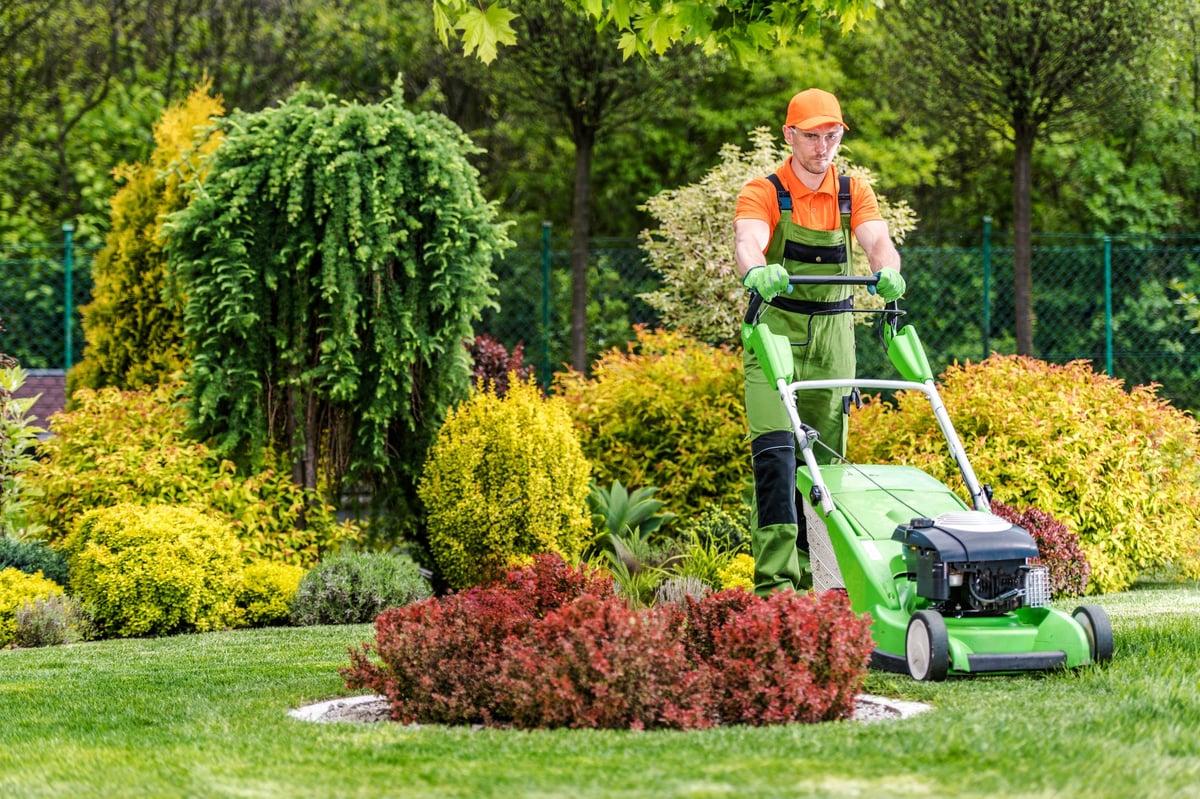
Landscaping is naturally seasonal.
As the weather changes, so do customer needs. Spring may bring cleanup requests and new landscaping projects. Summer creates demand for recurring maintenance. Fall introduces leaf removal and property preparation, while winter can shift attention toward snow services, planning, and preparation for the next season.
For landscaping companies, these seasonal changes create opportunities—but they also create a significant amount of administrative work.
Customers need estimates. Existing clients need reminders. Previous customers need to be contacted about upcoming services. New inquiries require follow-up. Schedules need to be updated.
When crews and business owners are focused on completing work in the field, customer follow-up can easily become inconsistent.
For landscaping companies throughout Massachusetts, virtual assistants can help create an organized seasonal follow-up system that keeps customers engaged without adding more administrative work to owners and field teams.
Landscaping businesses often have something many service companies would love to have:
Customers with recurring needs.
A homeowner who needs spring cleanup may also need:
A commercial property may require ongoing services throughout the year.
That means every existing customer can represent multiple future opportunities.
The challenge is maintaining communication between those services.
If customers don't hear from your company when the next season approaches, they may simply contact another provider.
Customer retention is the overall goal of keeping customers over time.
Seasonal follow-up is one of the processes that helps make retention possible.
For landscaping businesses, this means proactively communicating with existing and prospective customers at the right point in the seasonal cycle.
Instead of waiting for customers to remember your company, an organized follow-up process keeps your business visible when they're likely to need another service.
The busiest time for customer communication is often the same time crews are busiest in the field.
During peak periods, owners and managers may be handling:
As immediate operational demands increase, follow-up with previous customers and prospects can move down the priority list.
The result is a valuable customer database that isn't being used effectively.
A virtual assistant can manage the administrative processes surrounding customer communication while owners and crews focus on service delivery.
Effective follow-up begins with knowing who needs to be contacted and why.
A virtual assistant can help organize customer records according to previous services, property information, last service date, current customer status, requested estimates, future service needs, and follow-up dates.
Instead of maintaining one large customer list, the business can create more useful customer segments.
Explore our CRM & Operations Support Services.
Seasonal follow-up becomes much easier when customer information is accurate.
Virtual assistants can help maintain contact information, service history, previous estimates, communication history, customer notes, follow-up reminders, and lead status.
When the next season approaches, your team already knows which customers may need to be contacted.
Not every landscaping prospect accepts an estimate immediately.
Some customers may be comparing companies, waiting for the right season, reviewing their budget, delaying a project, or considering different service options.
Without follow-up, these opportunities can easily disappear.
Virtual assistants can help track outstanding estimates and ensure prospects receive consistent administrative follow-up.
Explore our Administrative Support Services.
Previous customers already know your company.
Instead of relying entirely on new customer acquisition, landscaping businesses can maintain relationships with people who have used their services before.
Virtual assistants can help organize approved outreach for previous customers based on their service history and upcoming seasonal needs.
For example, a customer who booked a fall cleanup previously may be a relevant contact when that service period approaches again.
The best time to contact customers isn't always when the season is already at its busiest.
Planning communication in advance gives businesses more time to organize schedules and customers more time to make decisions.
A virtual assistant can help maintain a follow-up calendar so outreach begins according to the company's seasonal schedule rather than whenever someone remembers.
Seasonal outreach can generate a significant number of replies.
Customers may request an estimate, ask about availability, need a different service, request scheduling information, ask to speak with someone, or indicate they're no longer interested.
A virtual assistant can organize these responses, update records, schedule appointments when appropriate, and route conversations requiring additional expertise to the correct team member.
Follow-up and scheduling work together.
Once customers begin booking services, virtual assistants can assist with appointment organization, calendar updates, service confirmations, schedule changes, customer reminders, and internal coordination.
This helps landscaping companies convert seasonal outreach into organized scheduled work.
Rather than approaching customer communication randomly, landscaping companies can create a recurring annual structure.
| Period | Administrative Focus |
|---|---|
| Before Spring | Reconnect with previous customers and organize spring service inquiries |
| Spring | Track estimates, new customers, and recurring service opportunities |
| Summer | Maintain recurring customer communication and outstanding follow-ups |
| Before Fall | Identify customers who may need seasonal property services |
| Fall | Manage seasonal inquiries, scheduling, and follow-up |
| Off-Season | Clean CRM records, organize customer data, and prepare next year's follow-up |
The exact timing will depend on the services offered by each landscaping company.
The important part is creating a system before demand increases.
Consistent seasonal communication helps landscaping companies maintain relationships beyond a single job.
Customers experience a company that is:
This can strengthen long-term relationships and create more opportunities for recurring business.
Not every lead converts immediately.
Someone who requests an estimate in one season may still become a customer later.
That's why landscaping companies shouldn't automatically forget prospects who didn't initially book.
An organized CRM can help differentiate between:
Virtual assistants help maintain these records so future opportunities aren't lost.
One major barrier to effective follow-up is fragmented information.
As the business grows, this becomes increasingly difficult to manage.
Centralizing and maintaining customer information creates a stronger foundation for seasonal follow-up.
Explore our Back Office Support Services.
Your company may need stronger administrative support if:
These are signs that the business needs a more structured follow-up process.
Seasonality makes administrative capacity especially important for landscaping businesses.
During slower periods, the company may have time to organize.
Then demand increases quickly, and administrative responsibilities increase alongside field work.
Virtual assistants provide ongoing support with tasks that can be managed remotely, including:
This helps companies maintain consistent operations even as seasonal workloads change.
At Virtuel, our bilingual, bachelor's-degree virtual assistants support landscaping businesses throughout Massachusetts.
Our team can assist with:
By managing recurring administrative responsibilities, we help landscaping companies stay organized while owners and crews focus on delivering services in the field.
Visit our Landscaping Industry Page.
Seasonality shouldn't mean starting from zero every few months.
Landscaping companies already have valuable relationships with previous customers, current clients, and prospects who have expressed interest in their services.
The challenge is creating a system that keeps those relationships organized throughout the year.
Virtual assistants can help maintain CRM records, track estimates, organize seasonal outreach, manage responses, and coordinate scheduling so follow-up doesn't disappear when the business gets busy.
For landscaping companies throughout Massachusetts, better seasonal follow-up can turn an existing customer database into a more organized source of recurring opportunities.
Virtuel helps landscaping companies throughout Massachusetts stay organized with bilingual virtual assistants specializing in customer follow-up, CRM management, administrative support, scheduling, and back office operations.
How Landscaping Companies Can Improve Customer Retention with Administrative Support
Why Landscaping Businesses in Massachusetts Struggle with Scheduling
Why Fast Customer Response Times Win More Business in Massachusetts
The Complete Guide to Lead Management for Small Businesses
How Virtual Assistants Help Businesses Stay Organized During Busy Seasons
Why Service Businesses Lose Leads Without a CRM System